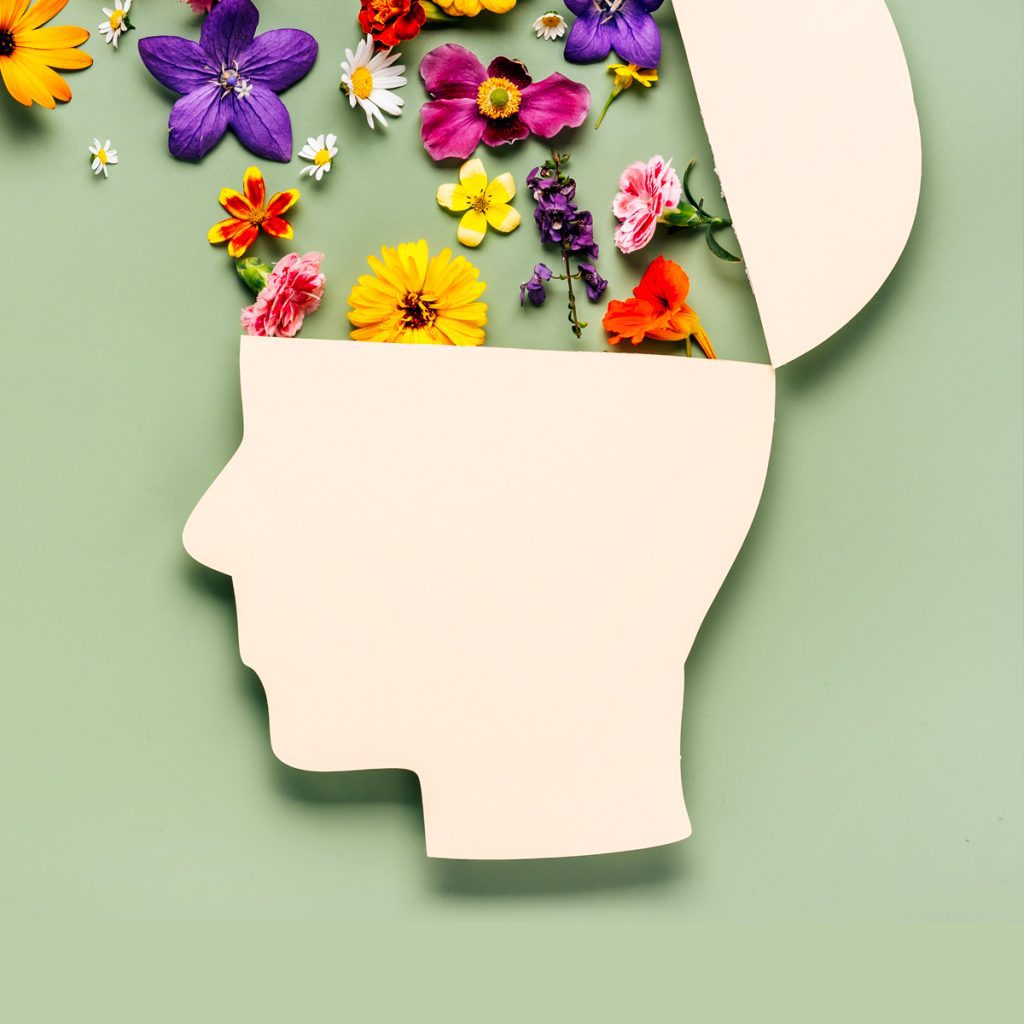

People today are living longer than previous generations. But increasingly, healthcare professionals and researchers are asking a different question: How can we live better as we age?
That’s where we need to define lifespan vs healthspan. Lifespan refers to the total number of years a person lives, while healthspan refers to the years spent in good physical, mental, and emotional health. While longevity remains important, many experts now believe that maintaining quality of life, independence, and overall well-being may be just as important as adding more years to life.
What Is The Difference Between Lifespan And Healthspan?
As mentioned, lifespan is the total number of years a person lives. Healthspan is the number of those years spent free from significant disease, disability, or limitations that interfere with activities of daily living (ADLs). In simple terms, lifespan measures how long you live, while healthspan measures how well you live.
Living longer doesn’t always mean spending those additional years in good health. Research highlighted by Mayo Clinic found that, globally, people spend an average of nearly 10 years managing illness or disability, creating a significant gap between lifespan and healthspan.
For many older adults, the goal is no longer simply adding years to life. It’s making those years active, meaningful, and fulfilling.

Why Is Healthspan Becoming More Important?
According to Harvard Health, researchers are increasingly focusing on ways to extend healthspan alongside lifespan. The reason is simple: most people want to remain independent, active, and engaged throughout their lives, not just live longer.
Healthspan focuses on preserving the ability to participate in the activities that bring purpose and enjoyment to everyday life, such as:
- Traveling and exploring new places
- Volunteering in the community
- Spending time with family and friends
- Pursuing hobbies and interests
- Learning new skills
- Staying physically active
As life expectancy continues to increase, overall well-being has become a central part of the healthy aging conversation.

What Habits Support A Longer Healthspan For Seniors?
While genetics play a role in aging, research suggests that lifestyle habits can influence health, independence, and overall quality of life. Longevity expert and elder care consultant Kelly O’Connor developed the 10 Pillars of Wellness based on her experience supporting nearly 2,000 older adults and their families. Her framework offers a way to consider the different areas of life that can support well-being as we age. Key factors associated with a longer healthspan include:
- Regular physical activity
- Meaningful social connections
- Nutritious eating habits
- Lifelong learning and mental stimulation
- Stress management
- Preventive healthcare
Stay Physically Active
Regular movement supports strength, balance, mobility, heart health, and independence. Activities such as walking, swimming, strength training, yoga, and fitness classes can help people remain active throughout the aging process.
Prioritize Social Connection
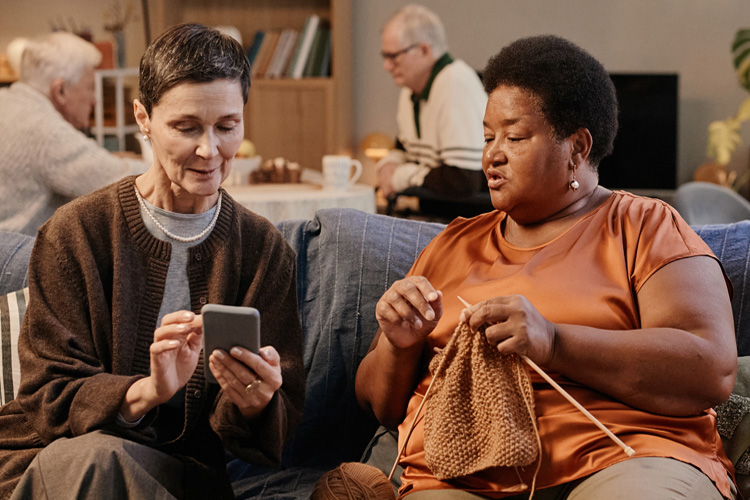
Strong social relationships have been linked to better health outcomes, emotional well-being, and cognitive health. Maintaining friendships and participating in community activities can help reduce isolation while supporting overall wellness.
At Holly Creek, residents have opportunities to build meaningful connections through resident-led groups, social gatherings, educational events, volunteer opportunities, and shared experiences with neighbors.
Keep Learning And Growing
Learning doesn’t stop after retirement. Exploring new interests, attending lectures, participating in classes, and developing new skills can help keep the mind active and engaged.
Holly Creek’s signature programs and life enrichment opportunities encourage residents to continue pursuing personal interests, lifelong learning, and meaningful experiences.
Focus On Nutrition
Nutrition plays an important role in healthy aging. Eating a balanced diet that includes fruits, vegetables, lean proteins, whole grains, and healthy fats helps support energy levels, cognitive function, and overall wellness.

Maintain A Sense Of Purpose
Many longevity experts identify purpose as an important contributor to healthy aging. Whether through volunteering, mentoring, creative pursuits, faith, family involvement, or community engagement, having meaningful reasons to stay involved can contribute to greater life satisfaction.
How Can Community Living Support Healthspan In Older Adults?
Community living doesn’t replace healthy habits, but it can make them easier to maintain over time.
As people age, staying active, connected, and engaged often requires more intention. Transportation challenges, household responsibilities, and social isolation can make it harder to participate in the activities that support overall well-being.
At Holly Creek, many opportunities for wellness, learning, and social engagement are built into everyday life. Residents can participate in community events, educational programs, volunteer initiatives, and resident-led activities without having to travel far from home.
Community living can also simplify day-to-day responsibilities. With less time spent on home maintenance, yard work, and household upkeep, residents often have more freedom to focus on the experiences and relationships that bring meaning to their lives.
Dining is another example. Shared meals provide opportunities for conversation and connection, helping foster a sense of community while supporting overall wellness.
For many older adults, the greatest benefit is convenience. When opportunities for connection, enrichment, and engagement are readily available, it becomes easier to maintain the lifestyle habits that support long-term well-being.
Can You Improve Your Healthspan At Any Age?
Healthy aging is not determined by a single decision or milestone. Small, consistent choices can have a meaningful impact on physical health, cognitive function, emotional wellness, and overall quality of life.
Whether someone is in their 50s, 70s, or beyond, it is never too late to adopt habits that support better health and well-being. Every positive step can help contribute to a healthier, more active future.
Living Well For The Years Ahead
The conversation around aging continues to evolve. While lifespan remains important, many people are placing greater emphasis on healthspan and the quality of the years they live.
By prioritizing movement, connection, learning, nutrition, and purpose, older adults can support their overall well-being and continue living active, meaningful lives.
At Holly Creek, healthy aging means creating opportunities for residents to continue learning, building relationships, pursuing passions, and maintaining independence. After all, a fulfilling life is not measured only by the years we live, but by how we experience them.
To learn more about life at Holly Creek and how our community supports healthy aging, contact our team or schedule a visit today.