
If you’re exploring retirement communities in South Metro Denver and comparing your options for the future, you’ll likely discover that not all communities operate the same way. One of the most important distinctions is whether a community is for-profit or non-profit.
For many active adults, choosing a non-profit life plan community means choosing an organization whose mission is centered on enhancing the lives of residents rather than generating returns for shareholders.
At Holly Creek, part of the Christian Living Communities family, our organization’s mission influences everything from resident programming to campus improvements and long-term planning.
Whether you’re just beginning your search for independent living or researching a life plan community, understanding how a non-profit model works can help you make a more informed decision.

What Is A Non-Profit Life Plan Community?
A non-profit life plan community exists to serve its residents and fulfill its mission rather than generate profits for investors or shareholders. Like most retirement communities, residents pay a monthly fee, and a one-time upfront investment called an entrance fee. Entrance fees help support the long-term financial stability of the organization.
What Is The Difference Between Non-Profit vs. For-Profit Senior Living Communities?
Both non-profit and for-profit senior living communities can offer quality housing, amenities, and services. The key difference lies in how financial resources are used.
A for-profit senior living community is owned by individuals, investors, or a corporation with the goal of generating a financial return. While many provide excellent care and services, a portion of revenue is distributed to owners or shareholders.
A non-profit life plan community, on the other hand, reinvests available resources back into the organization. Those funds help support campus improvements, resident programs, team member development, technology, and services that enhance residents’ quality of life.
At Holly Creek, that commitment can be seen throughout the community, from renovations and new resident amenities to donor-funded programs and experiences that enrich everyday life.

Why Many Active Adults Prefer A Non-Profit Life Plan Community
When researching retirement communities, many older adults discover that the ownership structure can influence the resident experience in meaningful ways.
Here are several reasons a non-profit life plan community is worth considering:
A Guiding Mission That Aligns With One’s Values
Choosing a life plan community is about much more than selecting a place to live—it’s about finding an organization whose values align with your own and that will be there to support you for years to come. In a non-profit life plan community, every decision is guided by the organization’s mission rather than the need to generate returns for investors.
As part of Christian Living Communities, Holly Creek exists to enrich the quality and dignity of life for older adults. That commitment is reflected in our unique Citizenship Model, a philosophy that recognizes every resident as a valued individual with strengths, experiences, and talents to share. Rather than focusing solely on the services residents receive, the model encourages each person to continue growing, engaging, and finding purpose throughout retirement.
For residents, this creates a lifestyle that’s about far more than low-maintenance living. It fosters meaningful relationships, lifelong learning, volunteerism, wellness, and opportunities to contribute to the community in ways that are personally fulfilling. By encouraging residents to remain active participants rather than passive recipients of care, Holly Creek cultivates a sense of purpose, belonging, and connection—helping residents continue to live lives filled with meaning, independence, and engagement.

Resources Are Reinvested Into The Community
One of the greatest advantages of choosing a non-profit life plan community is knowing that available resources are continually reinvested to benefit residents rather than distributed to shareholders or investors. While many for-profit communities provide excellent care and services, they also have a responsibility to deliver financial returns to their owners. In a non-profit model, those same resources can instead be directed toward enhancing the resident experience and strengthening the community for the future.
At Holly Creek, reinvested resources help support campus enhancements, expanded wellness and lifestyle programs, resident amenities, staff development, and other improvements that enhance everyday life.
Because available funds are directed back into the community rather than distributed to investors, Holly Creek can continue evolving to meet residents’ changing needs while strengthening the overall living experience. The result is a community that is continually investing in its people, its campus, and the quality of life residents enjoy today and for years to come.

Leadership That Furthers the Mission and Vision
Leadership has a significant influence on the culture, priorities, and resident experience within a life plan community. While many for-profit communities are part of larger organizations where key operational and financial decisions may be directed by a corporate office, non-profit life plan communities are guided first by their mission and the needs of the residents they serve. This allows leadership to remain focused on what will best support the community rather than balancing those decisions with investor expectations.
At Holly Creek, our community leaders work alongside Christian Living Communities’ executive leadership and are supported by a volunteer Board of Directors made up of experienced leaders committed to responsible governance and financial stewardship.
Rather than focusing on maximizing profits, the board provides strategic oversight that helps ensure resources are managed wisely, long-term commitments are honored, and investments continue to strengthen the community. This collaborative approach allows Holly Creek to remain responsive to the unique needs of its residents while benefiting from the stability, expertise, and long-term vision of a well-established non-profit organization.
As a locally owned and operated, non-profit life plan community, we have the added benefit of having CLC’s executive leadership and board members located right here in the Denver metro area. CLC’s leaders and board members visit Holly Creek and our sister communities regularly, connecting and developing meaningful relationships with residents.
For residents, that means living in a community where leadership decisions are guided by the organization’s mission and vision, with a unique understanding of the needs of Holly Creek. This allows the Holly Creek community and CLC’s leadership to work in tandem to continually enhance the resident experience, support dedicated team members, and preserve the long-term strength of the community for generations to come.
Financial Transparency Provides Peace Of Mind
When choosing a life plan community, it’s important to look beyond today’s amenities and consider the organization’s long-term financial health. A financially strong community is better positioned to maintain its campus, invest in improvements, retain exceptional team members, and fulfill its commitments to residents for years to come.
If you’re considering a non-profit life plan community, take advantage of the financial transparency these organizations provide. Non-profits are required to make their financial information publicly available, allowing prospective residents to better evaluate their long-term stability. You should also ask about occupancy levels, independent financial audits, reserve funds, financial ratings, and plans for future capital improvements. Together, these indicators can provide valuable insight into the organization’s ability to deliver on its promises.
As part of Christian Living Communities, Holly Creek is backed by the financial strength of a consolidated organization with a long history of serving older adults throughout Colorado. The shared resources and long-term planning of this larger non-profit organization help support ongoing investments, financial stability, and confidence in the community’s future.

Diverse Funding Sources Create New Possibilities
As organizations that serve a public benefit, non-profit life plan communities have the unique ability to receive charitable gifts and government grants in support of its mission. While for-profit communities typically rely on operating revenue, financing, or investor capital to fund improvements, non-profit organizations can also raise philanthropic support or apply for grants to enhance the resident experience in ways that go beyond day-to-day operations.
Donor generosity often helps make meaningful projects possible sooner than they otherwise might. These gifts can fund wellness initiatives, lifelong learning opportunities, campus enhancements, innovative programs, and other amenities that empower residents and strengthen the community. Additionally, donor gifts can also support team members with scholarships or who are experiencing unexpected hardships, helping to grow and uplift the very individuals who empower Holly Creek residents.
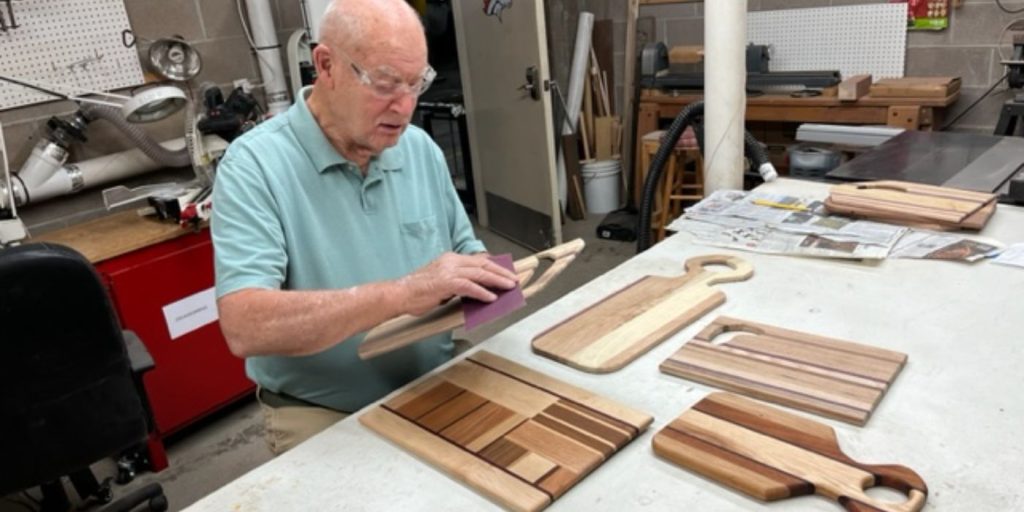
At Holly Creek, philanthropic support has helped bring several meaningful projects to life, including renovations and new equipment for the resident workshop and the creation of the Quiet Waters Spiritual Retreat. These gifts help advance Christian Living Communities’ vision of creating communities where aging is honored and celebrated while providing residents and team members with opportunities to connect, learn, create, and thrive.
Is A Non-Profit Life Plan Community Right For You?
As you compare independent living options and retirement communities, ask questions beyond floor plans and amenities. Learn about the organization’s mission, leadership, financial model, and how it invests in residents.
For many active adults, choosing a non-profit life plan community offers confidence that their entrance fee and monthly investment help support not only today’s lifestyle, but also the long-term strength of the community they’ll call home.
At Holly Creek, being part of Christian Living Communities means every decision is guided by a commitment to enriching the dignity and quality of life for older adults. It’s a mission that has shaped the organization for decades—and one that continues to enhance the lives of residents every day.
Living Well In Retirement At Holly Creek
Choosing a life plan community isn’t simply about selecting a place to live. It’s about finding a place where you can continue to grow, build friendships, pursue interests, and enjoy peace of mind. At Holly Creek, residents enjoy an active lifestyle with opportunities to learn, volunteer, stay physically active, attend concerts, participate in clubs, and connect with neighbors who share similar interests. These opportunities for connection and engagement aren’t just enjoyable; they’re also associated with better outcomes.
According to a landmark study by NORC at the University of Chicago, older adults living in senior living communities like Holly Creek live longer, receive more preventive healthcare services, and experience improved health and wellness. Just as importantly, Holly Creek offers a continuum of care should health needs change over time, allowing many residents to remain in a familiar environment with people they know and trust.
If you’re considering a life plan community, we invite you to schedule a visit to experience the campus firsthand and discover why so many older adults choose a mission-driven community designed to help them thrive.