

Artificial Intelligence (AI) can be an incredibly helpful tool that can make life a little easier, but it can also be used to victimize others. Among the most vulnerable groups targeted by AI-driven scams are seniors. Scammers are now using rapidly advancing AI tools, including voice cloning, deepfakes, and highly personalized messaging, to create compelling schemes that prey on seniors’ trust, emotions, and unfamiliarity with the evolving technology. Understanding how AI scams can be used to scam seniors is crucial to keeping yourself safe from financial loss and emotional distress.
Why Do AI Scams Target Seniors?
Seniors are particularly vulnerable to scams for several reasons:
- Technological Vulnerability – Many older adults are less familiar with advanced technologies, making them easier targets for tech-based deception.
- Emotional Manipulation – Scammers often exploit seniors’ loneliness or concern for loved ones by fabricating emergencies or urgent situations.
- Financial Resources – Seniors can have substantial savings or assets, making them attractive targets for financial fraud.
- Cognitive Changes – Age-related cognitive impairments may hinder their ability to recognize scams or respond appropriately.
Common AI-Driven Scams Targeting Seniors
AI enables scammers to create increasingly sophisticated and realistic fraud schemes. One tell-tale sign that something is suspicious and should be treated as potentially fraudulent is if the person contacting you is rushing you or makes the situation seem incredibly urgent. Here are a few more of the most prevalent and rapidly evolving methods AI scammers use to target older adults.

AI Voice Cloning
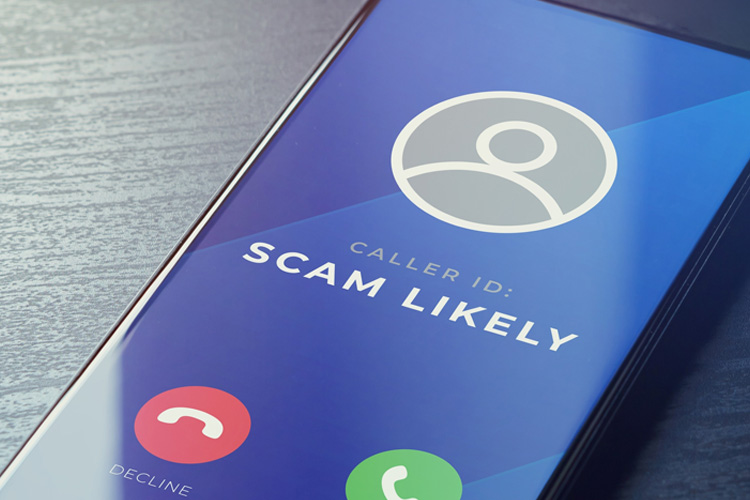
Using AI voice cloning technology, scammers can replicate the voices of loved ones or trusted professionals with just a few seconds of audio. They often pose as relatives in distress, requesting urgent financial help. Coupled with phone spoofing, falsifying the caller ID to appear as a familiar number, these scams are more convincing than ever.
Deepfake Videos
AI-generated deepfake videos can mimic family members, friends, or even government officials. These scams can even occur over video calls, making victims feel confident the interaction is legitimate when it is not.
AI-Powered Phishing Emails and Texts
AI now allows scammers to craft highly personalized emails and text messages that closely mimic legitimate communications from banks, government agencies, or healthcare providers. These messages often create urgency and direct individuals to fake websites designed to steal login credentials or financial information.
Fake Tech Support Scam
Scammers are pretending to be tech support representatives from reputable companies, claiming there are urgent issues with a device. AI-enhanced scripts and chatbots make these interactions feel more realistic, increasing the likelihood that seniors grant remote access or make unnecessary payments.
Investment and Cryptocurrency Scams
A fast-growing trend involves scammers convincing seniors to move money into cryptocurrency. They may pose as financial advisors, romantic partners, or someone in a position of trust, instructing victims to “protect” or “grow” their money by converting it into crypto. Once transferred, these funds are extremely difficult, if not impossible, to recover. AI-generated websites, dashboards, and testimonials make these scams appear legitimate.


How Scammers Impersonate Trusted Institutions
Scammers increasingly pose as government agencies or financial institutions, using AI to sound credible and urgent.
- The Social Security Administration (SSA) will not call, email, or text you to demand immediate payment or threaten benefits.
- Banks will not send unsolicited links asking you to “verify” your identity or account information.
- Legitimate organizations will not ask you to move money into cryptocurrency, gift cards, or wire transfers for “security” purposes.
If you receive unexpected contact claiming to be from one of these institutions, do not respond directly. Instead, hang up and contact the organization using an official phone number.

The Impact of AI Scams on Seniors
The financial and emotional toll of these scams can be devastating. Seniors who fall victim may experience significant financial loss, emotional distress, and erosion of trust. Billions of dollars are lost annually to fraud, with many cases going unreported due to feelings of embarrassment or fear. Being deceived by someone impersonating a loved one or a trusted entity can also lead to long-term anxiety, isolation, and loss of trust.
How Can Seniors Protect Themselves From AI Scams?
While AI-driven scams are becoming more advanced, there are still plenty of ways for you to be savvy and to stay protected.
1. Verify the Caller’s Identity
If you receive a call from someone claiming to be a family member or an organization, hang up and call back using a known, trusted number. Establishing a family “code word” can also help confirm identity during emergencies.V
2. Be Mindful of Social Media
Limiting what you share online, especially videos or audio, can reduce the risk of voice cloning, through which scammers use audio samples to create fake audio. Use strong privacy settings and enable two-factor authentication whenever possible to an extra layer of security against any unauthorized access.
3. Be Cautious With Money Transfers
Never send money via cryptocurrency, gift cards, or wire transfers in response to unexpected requests. These are among the most common payment methods used in scams because they are difficult to trace or reverse.
4. Use Defensive Tools and Awareness
Never give out personal or financial information in response to unsolicited communication. Spam filters, call blockers, and fraud detection tools can help reduce risk. If something feels urgent or suspicious, take a moment to verify before acting.
5. Report Suspicious Activity
Reporting scams helps protect others. You can contact local consumer protection agencies or use these trusted resources:
Awareness of AI Scams is the Best Defense
AI has transformed the landscape of fraud, enabling scammers to create highly convincing schemes that target seniors’ vulnerabilities. By understanding these tactics and implementing protective measures, seniors can safeguard themselves against exploitation.
Education and vigilance remain key defenses against the growing threat of AI-driven scams. At Holly Creek, we provide opportunities to learn more about threats to our community and offer on-site IT support to address any issues that may arise. Families and caregivers should also play an active role in educating older adults about these risks while encouraging open communication about suspicious encounters. Together, we can help ensure that seniors navigate the digital age safely and confidently.